Maintenance Tips to Help Dental Crowns Last
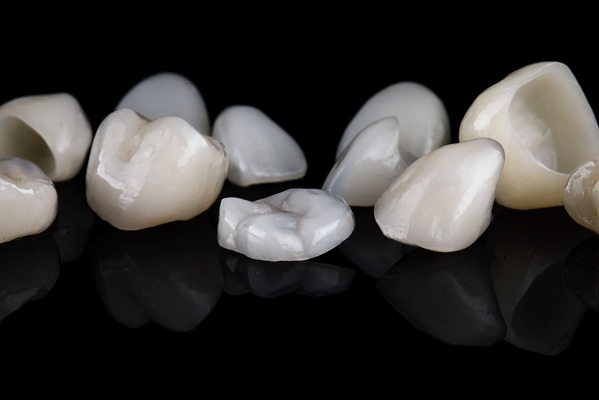
Dental crowns are durable and effective for restoring damaged or weakened teeth. They improve the tooth's structure and function while also enhancing your smile's appearance. However, proper maintenance can extend their lifespan and ensure long-term oral health. With the right care, these restorations can last several years, providing a reliable and aesthetically pleasing restoration.
Maintain good oral hygiene habits
A consistent oral hygiene routine is crucial for preserving the integrity of dental crowns. Brushing at least twice daily with fluoride toothpaste helps remove plaque and bacteria that could compromise the underlying tooth structure. Flossing at least once a day is equally important, as it prevents food particles and plaque buildup around the crown and along the gum line. Additionally, using an antibacterial mouthwash can reduce the risk of gum disease and decay, which can impact dental crowns' longevity.
Use the right dental products
In order to make dental crowns last longer, patients must choose the right dental products when maintaining their oral hygiene routine. For example, use a soft-bristled toothbrush and a non-abrasive to keep the crown clean and avoid scratching. Also, rinse with an alcohol-free mouthwash, as alcohol-based rinses can weaken the dental glue that holds the crown in place.
Avoid chewing hard objects
Dental crowns can withstand normal biting and chewing forces. However, excessive pressure can lead to damage. Chewing hard objects like ice, pens, and candies can cause fractures or dislodgment. Patients should also avoid using their teeth to open packages or biting their fingernails. Further, to protect dental crowns, patients should be mindful of their overall eating habits and avoid placing unnecessary stress on the restoration.
Wear a night guard if necessary
Individuals who grind or clench their teeth, a condition known as bruxism, can shorten the lifespan of dental crowns. Bruxism exerts excessive force on teeth and restorations, leading to fractures or wear and tear over time. Fortunately, a night guard can protect natural teeth and dental crowns from damage. A dentist can provide a custom-designed night guard to ensure comfort and effectiveness.
Schedule regular dental checkups
Regular dental checkups are essential for taking care of dental crowns. Dentists can spot early signs of wear, decay, or gum disease that could harm the crown and the patient's overall health. Professional cleanings help remove plaque and tartar, keeping both the crown and surrounding teeth healthy. Regular exams allow quick action if any problems arise, which helps avoid bigger dental issues later on.
Be cautious with sticky and sugary foods
While dental crowns are strong, sticky and sugary foods can pose risks. Sticky foods such as caramel and chewing gum may pull on the crown, potentially loosening it. Sugary foods contribute to plaque formation, increasing the risk of decay around the crown margins. A balanced diet with minimal consumption of these foods helps maintain oral health and prolong the life of dental crowns.
Keep the gums healthy
Healthy gums are essential for the longevity of dental crowns. Gum disease can lead to recession, exposing the edges of the crown and making the underlying tooth vulnerable to decay. Patients should watch for the following symptoms of potential gum issues with a dental crown:
- Redness around the crown
- An exposed part of the tooth root
- Inflammation and discomfort
- Bleeding gums
- Increased sensitivity
With proper brushing and flossing techniques, combined with regular dental visits, the patient can support their overall gum health while ensuring the long-term stability of dental crowns.
Avoid excessive alcohol and tobacco use
Alcohol consumption and tobacco use can negatively affect oral health and the durability of dental restorations. Alcohol can weaken the bonding agents used to secure dental crowns. Meanwhile, tobacco increases the risk of gum disease and further tooth decay. It can also stain the surface of the restoration. Reducing or eliminating these habits contributes to overall oral health and helps maintain the integrity of dental crowns.
Pay attention to any sudden changes
If the dental crown begins to feel different, the patient should not ignore it. A loose or uncomfortable crown may indicate underlying problems such as tooth decay, gum recession, or bite issues. Feelings of sensitivity or pain around the crowned tooth may also be a warning sign. Schedule an appointment with the dentist quickly to fix any problems before they worsen, ensuring the crown stays secure and works effectively.
Make your dental crown last as long as possible
Dental crowns are a long-term solution for restoring damaged teeth. However, their durability depends on proper maintenance. Awareness of potential risks and proactive care help ensure that your dental crown remains in good condition for as long as possible, contributing to overall oral health and function. Call our Huntington Beach office to learn more tips and tricks or to schedule your next appointment.
Request an appointment here: https://www.dentaloasisofoc.com or call Dental Oasis of Orange County at (714) 465-4513 for an appointment in our Huntington Beach office.
Check out what others are saying about our dental services on Yelp: Dental Crowns and Dental Bridges in Huntington Beach, CA.
Related Posts
Dental crowns play a central role in modern restorative dentistry, offering durable protection for damaged teeth while restoring natural function. Anyone preparing for this treatment benefits from understanding the steps involved in the dental crown process and the advantages it provides.The dental crown process begins with an examination performed by a dental professional. During this…
There are various solutions that can restore your smile and help you maintain good oral function. One of these treatments includes dental bridges. They offer a reliable and effective method of replacing missing teeth. This comprehensive guide will explore what they are, how they work, their benefits, and the process of getting them.Dental bridges are…
A dental bridge is one of the most common and popular tooth replacement options. It offers dental health benefits as well as aesthetic ones. This type of restoration comes in a few different forms, making it a viable tooth replacement option for most patients. If you are looking at tooth replacement options, consider a dental…
Dental bridges and implants are two effective, natural-looking ways to replace missing teeth. Bridges are often best for replacing multiple teeth, while implants can replace one or several teeth. However, it is not always an either-or situation. Using bridges and implants together can restore a patient’s smile to its full function. For many, it comes…
